
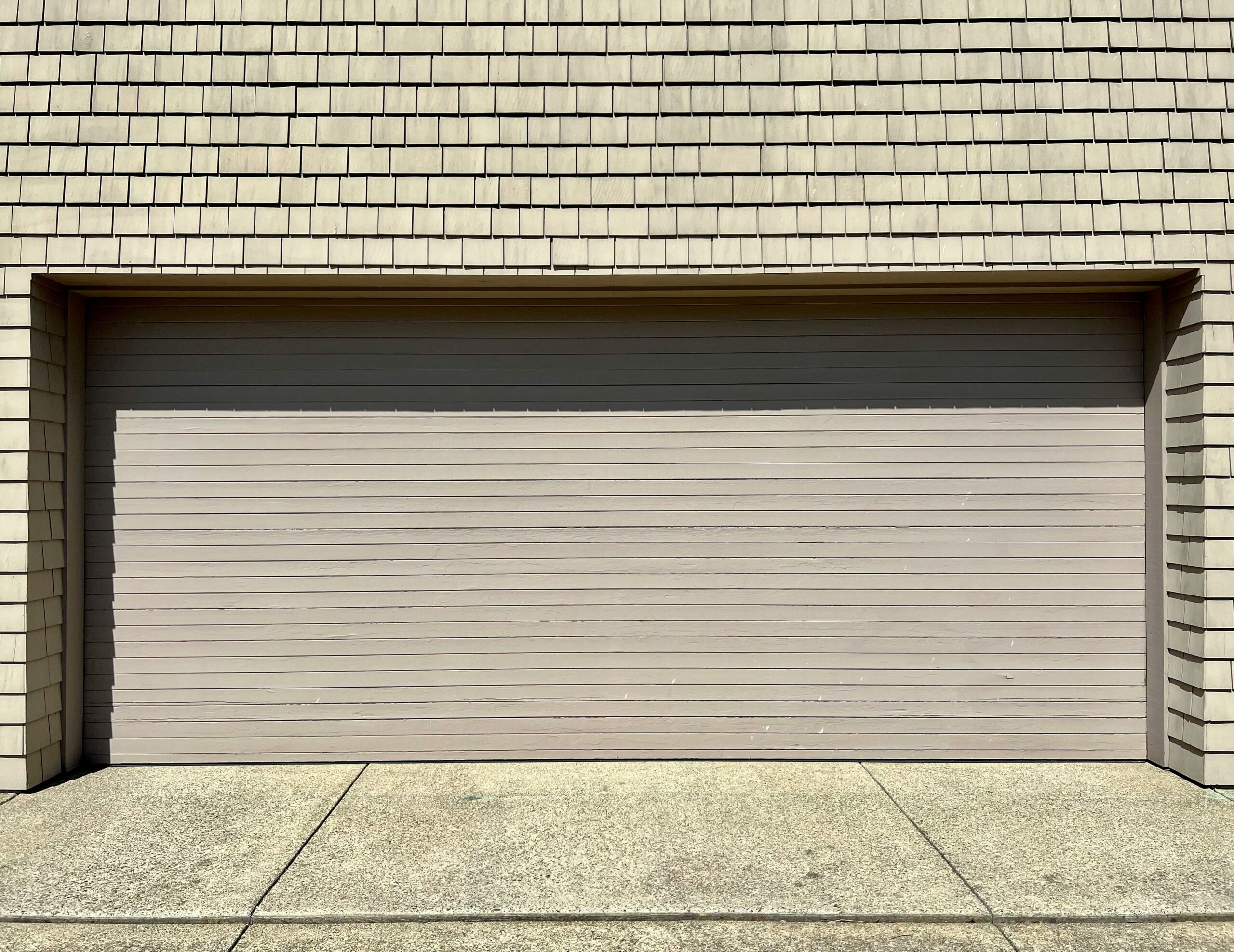
Does a home warranty cover garage door openers? Learn what plans cover, what they exclude, repair costs, springs, smart openers, and more.
Yes, in most cases, a home warranty covers garage door openers. Many home warranty plans include garage door openers in their covered systems. Some providers even include them in basic plans.
However, there is an important difference between the garage door opener and the garage door itself. A warranty may cover the opener motor but exclude the door, springs, tracks, and other hardware.
Understanding this difference can help you avoid an unexpected repair bill.
Does a Home Warranty Cover Garage Door Openers?
Most home warranty plans cover garage door openers when they fail because of normal wear and tear.
The opener is the motorized unit that opens and closes your garage door. It usually sits on the ceiling or wall near the door.
Coverage may include:
- The garage door opener motor
- Circuit boards and logic boards
- Internal gears and sprockets
- Chain-drive mechanisms
- Belt-drive mechanisms
- Screw-drive mechanisms
- Safety sensors
- Wall-mounted controls
- Remote controls and keypads on some plans
Coverage varies by provider. Some companies exclude remote controls and other low-cost accessories.
Always check your service contract before filing a claim.
Garage Door Opener vs. Garage Door
The difference between these two components is important.
A garage door opener provides the power needed to open and close the door. The garage door is the physical structure that moves along the tracks.
The door itself includes several parts:
- Door panels
- Tracks
- Rollers
- Hinges
- Cables
- Torsion springs
- Extension springs
- Weatherstripping
Most home warranty plans treat these components differently from the opener.
As a result, a warranty may cover a failed opener but not a broken garage door spring.
Why this distinction matters
A broken spring can make a garage door impossible to open. The symptoms can look like an opener failure.
For example, you may press the remote and hear the opener running. Yet the door stays in place.
In this situation, the opener may work correctly. The broken spring may actually cause the problem.
That distinction can determine whether your home warranty covers the repair.
What Garage Door Opener Parts Are Covered?
Coverage depends on the provider and plan. However, many plans cover the main mechanical parts of the opener.
Garage door opener motor
The motor powers the opener. If it fails because of normal wear and tear, the warranty may cover repair or replacement.
Circuit board
The circuit board controls the opener’s electrical functions. A failed board may qualify for coverage when the plan includes it.
Drive mechanism
Garage door openers commonly use one of three drive systems:
- Chain drive
- Belt drive
- Screw drive
Most providers do not make major coverage differences based on the drive type.
Safety sensors
Safety sensors sit near the bottom of the garage door. They detect objects in the door’s path.
If the sensors fail, the door may refuse to close or reverse during operation. Many plans cover these sensors as part of the opener.
Remote controls and keypads
Some providers cover remote controls and wall-mounted keypads. Others classify them as accessories and exclude them.
If your remote stops working, check your contract before submitting a claim.
What Does a Home Warranty Not Cover?
Knowing the exclusions is just as important as knowing what the plan covers.
Most standard home warranty plans do not cover the physical garage door and many of its components.
Common exclusions include:
- Torsion springs
- Extension springs
- Garage door panels
- Tracks
- Rollers
- Hinges
- Cables
- Weatherstripping
- Door insulation
These parts form the garage door assembly rather than the opener.
Are garage door springs covered?
Usually, no.
Torsion and extension springs handle much of the physical work required to move the door. They also fail more often than many other garage door components.
A broken spring can leave the door stuck. However, standard home warranty coverage usually does not include spring replacement.
Do not try to replace a torsion spring yourself. These springs hold a large amount of tension and can cause serious injuries.
Does the Type of Garage Door Opener Matter?
There are three common garage door opener types.
Chain-drive openers
Chain-drive openers use a metal chain to move the door.
They are common and usually cost less than other types. However, they can make more noise during operation.
Belt-drive openers
Belt-drive openers use a rubber belt instead of a metal chain.
They usually operate more quietly. They also tend to cost more than chain-drive models.
Screw-drive openers
Screw-drive openers use a threaded metal rod to move the door.
They have fewer moving parts than some other designs. However, they are less common in newer installations.
For most home warranty plans, the drive type does not change the basic coverage. If the opener fails from normal wear and tear, the provider may cover it regardless of the drive system.
Does a Home Warranty Cover Smart Garage Door Openers?
Smart garage door openers add Wi-Fi and app-based controls to the traditional opener.
Popular smart systems can send notifications to your phone and allow you to control the garage door remotely.
A home warranty may cover the main motor and mechanical functions of a smart opener. However, that does not always mean the provider will replace it with an identical smart model.
If your provider replaces the opener, the company may install a comparable standard unit instead.
Ask about smart features before approving a replacement if app control or Wi-Fi connectivity matters to you.
Are Multiple Garage Door Openers Covered?
Some homes have two or three separate garage doors.
When each door has its own opener, a home warranty may treat each opener as a separate covered item.
However, some contracts limit the number of similar items covered during the contract period.
If you have a large garage with several doors, check the contract before buying a plan.
Which Home Warranty Plans Cover Garage Door Openers?
Coverage varies between providers and plan tiers.
For example:
- Choice Home Warranty includes garage door openers in its Basic Plan.
- Select Home Warranty lists garage door opener coverage under its Platinum Care plan.
- First American Home Warranty includes garage door opener coverage starting with its Essential plan.
This makes plan selection important.
You should not assume that every provider includes garage door openers in its cheapest plan.
Check the current contract before choosing a provider because plan names and coverage can change.
Garage Door Opener Repair and Replacement Costs
Garage door opener repairs can vary widely depending on the failed component.
| Repair or replacement | Typical cost | Usually covered? |
|---|---|---|
| Chain-drive opener replacement | $200–$400 | Yes, typically |
| Belt-drive opener replacement | $300–$500 | Yes, typically |
| Smart opener replacement | $400–$800 | Usually, but features may differ |
| Circuit board repair | $100–$250 | Yes, typically |
| Single torsion spring | $150–$350 | No |
| Torsion spring pair | $250–$500 | No |
| Standard garage door replacement | $700–$1,800 | No |
| Insulated or custom garage door | $1,500–$3,500+ | No |
The cost of a garage door opener replacement often falls below the coverage limits used for larger home systems.
The bigger issue is usually what actually failed.
If the opener motor failed, your warranty may help. If a spring, cable, or track failed, you will usually need to pay for the repair yourself.
Common Garage Door Opener Problems
Different symptoms can point to different problems.
The opener does nothing
You press the remote and hear nothing.
The problem could involve the motor, circuit board, power supply, or another opener component. A technician can determine the cause.
If the failed component falls under your plan, your warranty may cover the repair.
The door makes a loud bang and will not open
A loud bang followed by a stuck door can indicate a broken torsion spring.
This is usually not covered by standard garage door opener coverage.
Because garage door springs contain significant stored energy, contact a qualified professional rather than attempting the repair yourself.
The door reverses while closing
A door that reverses can have a problem with its safety sensors.
The sensors may be dirty, blocked, or out of alignment.
If the sensors have failed, the repair may qualify for garage door opener coverage.
A smart opener loses its motor
If the motor fails, the provider may authorize a repair or replacement.
A replacement does not always include the same smart features as the original opener.
Ask your provider what type of replacement it will install before approving the work.
Frequently Asked Questions
Does a home warranty cover a broken garage door spring?
Usually, no. Garage door springs form part of the physical door assembly rather than the opener. Most standard home warranty plans exclude them.
Does a home warranty cover the garage door itself?
Usually, no. Standard coverage often applies to the garage door opener instead of the physical door. Panels, tracks, rollers, hinges, cables, and springs are commonly excluded.
Is it dangerous to repair a garage door spring yourself?
Yes. Torsion springs can store a large amount of energy. A mistake during removal or installation can cause serious injury. Hire a qualified professional for spring repairs.
Does a home warranty cover smart garage door openers?
The answer depends on the contract. A plan may cover the main opener motor but provide a standard replacement instead of an identical smart model.
Are garage door remotes covered?
Sometimes. Some providers include remotes and keypads with opener coverage. Others exclude these accessories.
Which home warranty plans cover garage door openers?
Coverage varies by provider and plan tier. Choice Home Warranty, Select Home Warranty, and First American Home Warranty offer garage door opener coverage, but the specific plan requirements differ.
Is the coverage limit a problem for garage door opener repairs?
Usually, no. Garage door opener repairs and replacements often cost less than coverage limits for larger home systems. The main issue is whether the failed component qualifies for coverage.
Bottom Line
So, does a home warranty cover garage door opener problems?
In most cases, yes. Home warranty plans commonly cover the opener motor and other internal opener components when they fail because of normal wear and tear.
However, coverage usually does not extend to the garage door itself.
That means springs, panels, tracks, rollers, hinges, and cables may remain your responsibility.
Before choosing a home warranty plan, check its garage door opener coverage, exclusions, service fee, and coverage limits.
If your garage door is older, pay special attention to the condition of the springs and other door hardware. Those parts can fail even when the opener works normally.
Related reading: Does a Home Warranty Cover Electrical Systems? · What’s Not Covered by a Home Warranty? Common Exclusions · How to File a Home Warranty Claim: Step-by-Step Guide
Information in this article reflects publicly available coverage data as of 2026. Coverage terms, exclusions, service fees, and plan tiers vary by provider, state, and contract. Always review the current service agreement before relying on garage door opener coverage for a specific repair.
Others…
This section offers a summary of the blog, presenting a range of articles, perspectives, and materials to educate and motivate readers.
-

Home Warranty for Condos and HOA Properties
Condo owners already have two layers of coverage before a home warranty even enters the picture. Here’s exactly where it fits — and the one risk no warranty covers. Condo ownership comes…
-
Mobile Home Warranty: Coverage for Mobile and Manufactured Homes
A mobile home warranty can cover major systems and appliances. Learn about eligibility, coverage, costs, exclusions, and top providers for mobile homes. A mobile home warranty can help cover major home systems…
-

Is Self-Insuring Better Than a Home Warranty?The Real Theory (2026)
Whether self-insuring beats a home warranty isn’t really a math question — it’s a question about risk pooling, and single homeowners have the weakest case for going it alone. Our companion guide…

Leave a Reply