
Does a home warranty cover electrical systems? Learn what plans cover, including panels, wiring, outlets, code issues, surges, and more.
If you are wondering does a home warranty cover electrical problems, the answer is usually yes. Most home warranty plans include major parts of a home’s electrical system. This often includes electrical panels, wiring, circuit breakers, switches, and outlets.
However, electrical coverage has important limits. A warranty may cover the cost of repairing a failed component but not the cost of bringing an old system up to current electrical code. Coverage can also vary by provider, plan, state, and contract.
Here is what you should know before filing an electrical claim.
Does a Home Warranty Cover Electrical Systems?
Yes, most home warranty plans cover certain interior electrical systems and components.
Typical coverage may include:
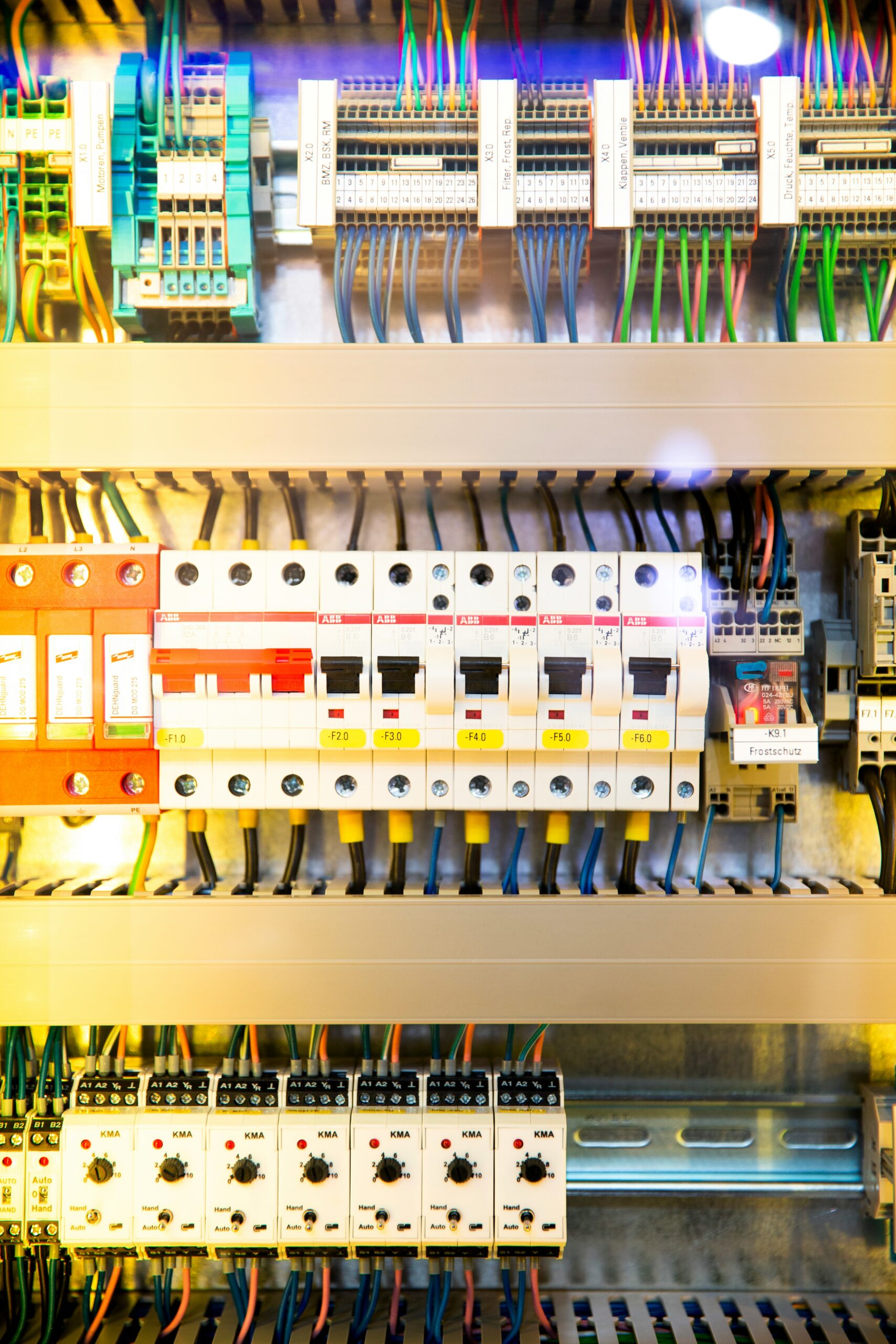
- Electrical panels and breaker boxes
- Circuit breakers
- Hard-wired interior wiring
- Electrical lines inside the home
- Light switches
- Electrical outlets
- Some built-in fans
- Some hard-wired doorbells
For example, American Home Shield lists electrical panels, hard-wired electrical lines, wiring, breaker boxes, switches, and outlets among its covered electrical components.
Still, you should never assume that every electrical component has coverage. Your plan agreement controls the final decision.
What electrical problems can a home warranty cover?
A home warranty usually covers breakdowns caused by normal wear and tear when the affected component falls within the plan’s coverage.
Examples can include:
- A circuit breaker that stops working
- An outlet that fails
- A faulty light switch
- An electrical panel component that breaks
- A short in covered interior wiring
- A hard-wired doorbell that stops working
- A ceiling fan motor that fails, when the plan covers it
The exact list depends on the provider and plan you choose.
What Does Electrical Coverage Usually Exclude?
Knowing what a home warranty does not cover can be just as important as knowing what it covers.
Common exclusions include code upgrades, certain types of old wiring, exterior electrical systems, and damage from outside events.
Electrical code violations
Code violations are one of the biggest issues with home warranty electrical coverage.
A technician may discover that an older electrical system does not meet today’s local code. The warranty may cover the original failed component, but it may not pay to upgrade the entire system.
For example, American Home Shield says its standard plan agreements generally exclude the cost of correcting existing code violations. Its ShieldPlatinum plan currently provides a limited benefit for certain code violations, permits, and modifications.
This distinction matters in older homes. A repair that looks simple at first can require additional electrical work to meet current requirements.
Outdated wiring
Some older homes contain wiring systems that can create coverage problems.
Examples include:
- Knob-and-tube wiring
- Aluminum wiring
- Outdated electrical panels
- Other obsolete wiring systems
A provider may limit or exclude certain older components. It may also require additional work before a technician can safely complete a covered repair.
If you own an older home, check the contract’s electrical exclusions before buying a warranty.
Power surge and lightning damage
A home warranty generally focuses on mechanical breakdowns and normal wear and tear. It does not necessarily cover damage caused by an external event.
Power surges and lightning strikes are common examples.
Damage to the home’s electrical system may fall outside standard warranty coverage when an external event caused the problem. Homeowners insurance may handle some types of sudden damage instead.
Some providers also offer separate electronics protection. American Home Shield, for example, offers an electronics protection plan that can cover certain computers, televisions, gaming systems, routers, and other electronics, including certain power-surge failures.
Exterior electrical systems
Standard electrical coverage often focuses on systems inside the main home.
Coverage may exclude:
- Exterior lighting
- Electrical systems for detached structures
- Certain outdoor wiring
- Generator systems
- Low-voltage systems
- Security or alarm wiring
- Audio and video wiring
For example, American Home Shield excludes several of these categories from its standard electrical coverage.
Always check your specific contract because another provider may use different coverage rules.
Does a Home Warranty Cover an Electrical Panel?
A home warranty can cover an electrical panel or its components when the panel experiences a covered breakdown.
However, there is an important difference between repairing a failed panel and upgrading a panel.
Suppose your existing panel fails because of normal wear. Your warranty may cover the repair or replacement, subject to the plan’s limits.
Now suppose your panel still works but you want a larger panel because your home needs more electrical capacity. A warranty will generally not pay for that voluntary upgrade.
The same issue can arise when an electrician finds that the existing panel does not meet current code.
Does a Home Warranty Cover Rewiring?
Usually, a home warranty does not pay for proactive rewiring simply because a home has old wiring.
Home warranty plans generally respond to covered breakdowns. They are not designed to modernize an entire electrical system.
For example, if an older home still has functioning knob-and-tube wiring, replacing all of that wiring may fall outside standard warranty coverage.
The situation can change if a covered component fails and the contract provides coverage for the necessary repair. Even then, exclusions and coverage limits may apply.
How Much Does Electrical Repair Cost?
Electrical repair costs vary widely depending on the problem.
A simple outlet or switch repair may cost relatively little. A serious panel problem can cost much more.
According to American Home Shield, electrical problems can require a licensed professional because many electrical components sit behind walls or inside panels.
Your potential savings therefore depend on three main factors:
- The cost of your home warranty plan
- Your service fee for each claim
- The cost of the electrical repair
You should also check whether your contract has a specific coverage limit for electrical systems.
What Should You Check Before Filing an Electrical Claim?
Before submitting a claim, review your contract and check these points:
- Is the electrical component listed as covered?
- Does the problem qualify as a covered breakdown?
- Does the plan exclude your type of wiring?
- Are code upgrades excluded?
- Does the plan have a coverage limit?
- How much is the service fee?
- Does the provider require a specific contractor?
- Does your state have special coverage terms?
These details can make a major difference in your final out-of-pocket cost.
Frequently Asked Questions
Does a home warranty cover electrical wiring?
Usually, yes. Many home warranty plans cover certain interior electrical wiring when it fails because of a covered breakdown. However, older wiring types, code upgrades, and other exclusions may apply.
Does a home warranty cover an electrical panel?
It can. A covered electrical panel or breaker box may qualify for repair or replacement when it fails from normal wear and tear. An elective upgrade or code-related improvement may not qualify.
Does a home warranty cover electrical outlets?
Many plans cover interior electrical outlets. Coverage normally applies when an outlet fails as part of a covered electrical system. Check your plan for exclusions and limits.
Does a home warranty cover power surge damage?
Not always. Standard home warranty coverage often focuses on covered breakdowns rather than damage caused by external events such as lightning or utility-related power surges. Separate electronics protection may be available from some providers.
Does a home warranty cover rewiring an old house?
Generally, no. A warranty usually does not pay to replace functioning old wiring simply because it is outdated. Coverage may apply to a specific covered electrical failure, depending on the contract.
Does a home warranty cover ceiling fans?
Some plans cover ceiling fans or their motors. Coverage varies by provider, so check whether your plan lists ceiling fans under electrical systems or another category.
Bottom Line
So, does a home warranty cover electrical systems? In most cases, yes. Many plans cover important interior components such as wiring, outlets, switches, breaker boxes, and electrical panels.
The biggest limitations often involve code violations, outdated wiring, upgrades, external damage, and coverage limits.
If you are comparing home warranty plans, do not look only at the monthly price. Check the electrical coverage section, exclusions, service fee, and claim limits before choosing a provider.
For an older home, those details can matter more than the advertised price of the warranty.
Related reading: Does a Home Warranty Cover HVAC Systems? · Does a Home Warranty Cover Plumbing Leaks? · Why Was My Home Warranty Claim Denied? Common Reasons
Information in this article reflects publicly available coverage data as of mid-2026, compiled across multiple provider reviews on this site. Coverage terms, caps, and exclusions vary by provider, plan tier, and state — always confirm current details directly in your contract before relying on electrical coverage for a specific repair.
Others…
This section offers a summary of the blog, presenting a range of articles, perspectives, and materials to educate and motivate readers.
-

Home Warranty for Condos and HOA Properties
Condo owners already have two layers of coverage before a home warranty even enters the picture. Here’s exactly where it fits — and the one risk no warranty covers. Condo ownership comes…
-

Mobile Home Warranty: Coverage for Mobile and Manufactured Homes
A mobile home warranty can cover major systems and appliances. Learn about eligibility, coverage, costs, exclusions, and top providers for mobile homes. A mobile home warranty can help cover major home systems…
-

Is Self-Insuring Better Than a Home Warranty?The Real Theory (2026)
Whether self-insuring beats a home warranty isn’t really a math question — it’s a question about risk pooling, and single homeowners have the weakest case for going it alone. Our companion guide…

Leave a Reply