
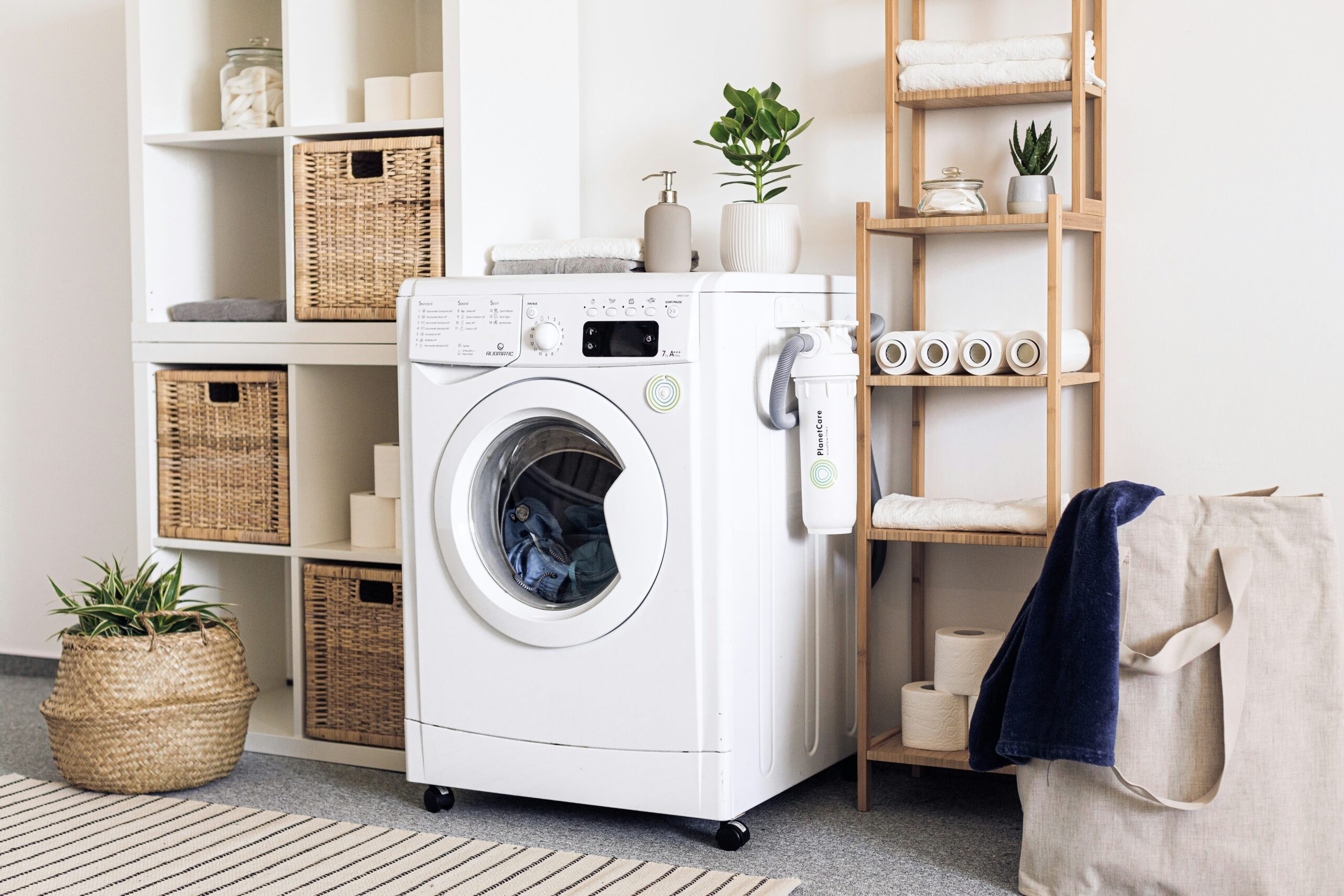
Washer and dryer coverage isn’t automatic on every home warranty plan. Here’s which tiers include it, what’s excluded, and how much providers actually pay toward a replacement.
Often, but far from automatically — washer and dryer coverage sits in an unusual middle ground in the home warranty industry. Unlike a furnace or a water heater, which almost every plan includes by default, laundry appliances are frequently held back for a provider’s mid-to-top plan tiers, treated as a genuine upgrade rather than a baseline inclusion. That distinction catches a meaningful number of homeowners off guard, usually at the exact moment they need the coverage most: the day the dryer stops heating or the washer starts leaking onto the laundry room floor.
This guide walks through exactly which plan tiers typically include laundry appliances, what’s covered once they do, where the real exclusions hide, and what a realistic repair-versus-replace decision looks like in practice.
Why Washer and Dryer Coverage Isn’t Always Included by Default
Home warranty providers generally build their plans around two broad coverage buckets: systems (HVAC, plumbing, electrical, water heater) and appliances (refrigerator, oven, dishwasher, and laundry). Laundry appliances specifically tend to sit at the higher end of the appliance bucket, and several providers treat them as a step above even standard kitchen appliances. A few real examples from this comparison series illustrate the pattern clearly:
- American Home Shield’s entry-tier ShieldSilver excludes all appliances, including laundry — you need ShieldGold or ShieldPlatinum.
- Choice Home Warranty’s Basic Plan covers most kitchen appliances but excludes washer and dryer — only the Total Plan includes them.
- Select Home Warranty splits coverage by category: Silver Care (appliances) includes washer and dryer, while Gold Care (systems) does not.
- Old Republic Home Protection’s entry-tier Basic plan excludes washer/dryer; coverage begins at the Deluxe tier.
The practical implication: if you assumed “a home warranty” automatically protects your laundry appliances, it’s worth double-checking your specific plan tier before relying on that assumption — this is one of the more common gaps between what homeowners expect and what a base-level plan actually delivers.
What’s Typically Covered
Once you’re on a plan tier that includes laundry appliances, coverage generally extends to:
- Washer components: motor, drum, transmission, water pump, door seal/gasket (front-load models), electronic control board
- Dryer components: heating element, drum, motor, belt, thermostat, electronic control board
- Standard installation configurations, including side-by-side and stacked units in many (not all) plans
What’s Usually Excluded
- Venting issues — a dryer that isn’t heating properly because of a clogged or improperly installed exterior vent (a common and often overlooked cause of poor dryer performance) is typically treated as a maintenance issue, not a covered mechanical failure. This is one of the more frequently misunderstood exclusions, since the symptom (poor drying performance) looks identical whether the cause is mechanical or simply a blocked vent.
- Water damage from a leaking washer — similar to the plumbing and water heater categories covered elsewhere in this series, the washer’s mechanical failure may be covered, but the resulting water damage to your flooring or the room below (if you have a second-floor laundry room) is generally a homeowners insurance matter, not a home warranty claim.
- Stackable and combo units in some cases — a small number of providers apply different rules or lower caps to stacked laundry centers and all-in-one washer/dryer combo units, given their more specialized parts and repair complexity. Confirm this specifically if you have a stacked or combo unit rather than two standalone appliances.
- Cosmetic damage, including dents, rust on the exterior cabinet, or fading that doesn’t affect function
- Pre-existing conditions, including a unit that wasn’t functioning correctly before your coverage began
- Commercial-grade or coin-operated units, which are typically excluded from residential home warranty plans entirely
- Lint buildup or fire-hazard-related dryer issues stemming from a lack of cleaning — providers generally treat this as a maintenance responsibility, not a mechanical failure
Repair vs. Replace: What Determines the Outcome
As with most appliance categories, a home warranty provider’s dispatched technician — not you — determines whether a washer or dryer gets repaired or replaced. In practice:
- Repairs are the default outcome whenever a specific, replaceable part (a belt, a pump, a control board) has failed and the rest of the unit is functioning normally.
- Replacement is typically authorized only when the cost of repair would exceed a meaningful percentage of the unit’s value, or when parts for an older model are no longer available — which happens more often with washer/dryer sets than with some other appliances, since manufacturers cycle through specific model parts relatively quickly.
- When a replacement is authorized, expect a comparable, standard-efficiency unit, not necessarily the same brand, features, or capacity you originally owned. If you had a high-capacity or smart-enabled unit, a standard replacement may represent a genuine downgrade in features even though it satisfies the letter of your coverage.
Coverage Caps and Real Replacement Costs
A standard washer or dryer typically costs $500–$1,200 each to replace ($1,000–$2,400 for a matching pair), while high-efficiency, large-capacity, or stackable/combo units can run $1,500–$3,000 or more per unit. Most providers apply their general appliance coverage cap to laundry appliances rather than a category-specific number, which means the same cap comparison covered in our refrigerator coverage guide applies here — ranging from as low as $500 (Select Home Warranty) up to $7,000/item on top-tier plans (Old Republic Elite, First American Premium).
For a standard washer/dryer pair, even lower-tier caps are usually sufficient to cover a full replacement. The gap becomes more relevant if you own (or are replacing into) a premium stackable unit or an all-in-one combo washer-dryer, where a single appliance can approach or exceed $3,000 — closer to the ceiling of several providers’ standard caps.
Common Real-World Scenarios
Scenario: Your dryer stops heating, and a technician determines the heating element has failed. This is a textbook covered repair on any plan tier that includes laundry appliances. Expect a straightforward repair, generally completed in a single visit once the part is available.
Scenario: Your dryer isn’t drying clothes properly, and the technician traces it to a severely clogged exterior vent. This is very likely not covered, since it’s classified as a maintenance issue rather than a mechanical failure — even though the practical symptom (clothes coming out damp) is identical to a genuine heating element failure from the homeowner’s perspective.
Scenario: Your washer’s water pump fails and leaks onto the laundry room floor, damaging the subfloor. Split coverage, similar to the water heater and plumbing examples covered elsewhere in this series: the washer repair itself is typically covered under your home warranty, while the subfloor water damage is typically a homeowners insurance claim.
Scenario: Your 11-year-old dryer’s drum motor fails, and the technician can’t source a replacement part for your specific (discontinued) model. This is one of the more common paths to an authorized replacement rather than a repair — once original parts become unavailable for an older unit, providers generally move to a comparable replacement rather than leaving the appliance unrepaired.
How to Avoid Coverage Surprises
- Confirm your specific plan tier includes laundry appliances before assuming coverage exists — this is the single most common point of confusion in this category.
- Clean your dryer vent regularly and keep basic maintenance in mind, since vent-related performance issues are a common (and commonly denied) claim.
- Ask specifically about stacked or combo units if that’s your setup, since coverage terms can differ from standalone washer/dryer pairs.
- Understand that a replacement means “comparable,” not “identical” — if you have a high-end or smart-enabled set, budget mentally for the possibility of a standard-tier replacement rather than an exact match.
Frequently Asked Questions
Does a basic home warranty plan include washer and dryer coverage? Not always — several providers reserve laundry appliance coverage for mid-to-top plan tiers rather than including it in their entry-level or systems-only plans. Confirm this specifically for your chosen plan before assuming coverage exists.
Does a home warranty cover a dryer that isn’t heating? Generally yes, if the cause is a mechanical failure like a broken heating element. If the cause is a clogged exterior vent, that’s typically treated as a maintenance issue and excluded from coverage, even though the symptoms look similar.
Does a home warranty cover stackable or combo washer-dryer units? Often, but not universally on the same terms as standalone units — some providers apply different rules or considerations to stacked and all-in-one combo units, given their more specialized repair requirements. Confirm this directly if that’s your setup.
Will a home warranty replace my washer and dryer with the same brand and features? Not necessarily. Replacements are typically comparable, standard-efficiency units rather than an exact match to your original appliance’s brand, capacity, or smart features.
Does a home warranty cover water damage from a leaking washing machine? The washer repair itself is typically covered, but resulting water damage to flooring, subfloors, or ceilings below is generally a homeowners insurance matter rather than a home warranty claim.
How much does a home warranty typically pay toward a washer/dryer replacement? Most providers apply their general appliance coverage cap, ranging from as low as $500 up to $7,000/item on premium tiers — comfortably covering a standard washer/dryer pair in most cases, with the gap becoming more relevant for premium stackable or combo units.
Does a home warranty cover commercial or coin-operated laundry units? No — these are typically excluded from residential home warranty coverage entirely, regardless of plan tier.
Related reading: Does a Home Warranty Cover Refrigerators? · Best Home Warranty Companies of 2026 (Ranked & Reviewed) · What’s Not Covered by a Home Warranty? Common Exclusions
Information in this article reflects publicly available coverage data as of mid-2026, compiled across multiple provider reviews on this site. Coverage terms, caps, and exclusions vary by provider, plan tier, and state — always confirm current details directly in your contract before relying on washer and dryer coverage for a specific repair.
Others…
This section offers a summary of the blog, presenting a range of articles, perspectives, and materials to educate and motivate readers.
-

Home Warranty for Condos and HOA Properties
Condo owners already have two layers of coverage before a home warranty even enters the picture. Here’s exactly where it fits — and the one risk no warranty covers. Condo ownership comes…
-
Mobile Home Warranty: Coverage for Mobile and Manufactured Homes
A mobile home warranty can cover major systems and appliances. Learn about eligibility, coverage, costs, exclusions, and top providers for mobile homes. A mobile home warranty can help cover major home systems…
-

Is Self-Insuring Better Than a Home Warranty?The Real Theory (2026)
Whether self-insuring beats a home warranty isn’t really a math question — it’s a question about risk pooling, and single homeowners have the weakest case for going it alone. Our companion guide…

Leave a Reply